


As autumn arrives, colds, flu and other respiratory viruses make their return. The good news is that a few simple daily habits can significantly reduce your chances of getting sick and, if you do, help you recover more comfortably.
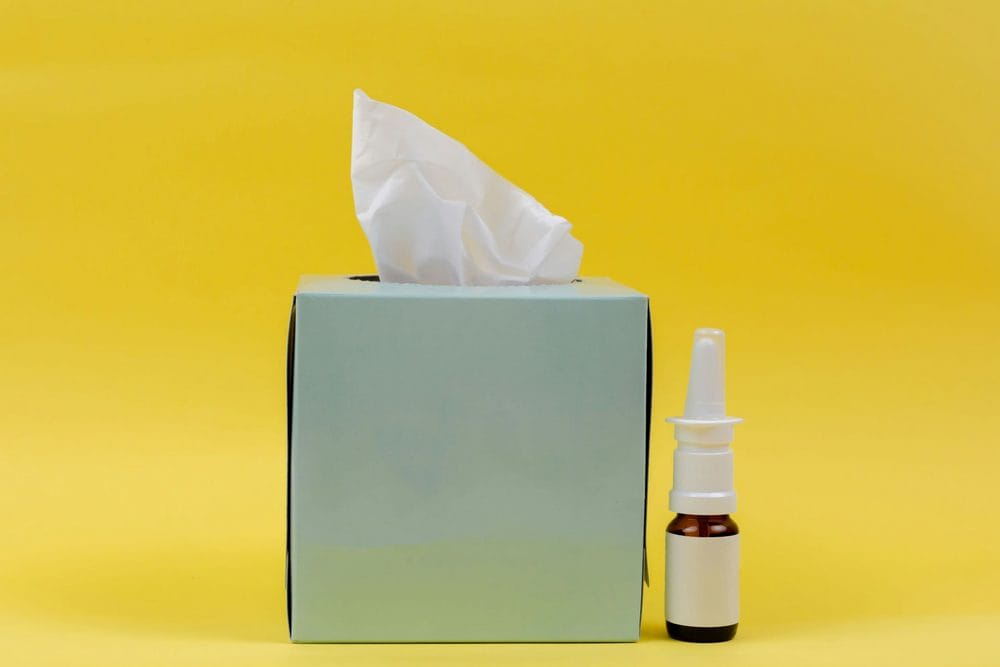
Why do viral infections increase in autumn?
Respiratory viruses circulate all year round, but in autumn several factors make it easier for them to spread:
- we spend more time indoors, in close contact with other people
- schools, offices and public transport fill up again after the summer
- temperature swings and the dry air of indoor heating dry out the lining of the nose and throat, which is our first line of defence
- less exposure to sunlight lowers vitamin D levels
Cold or flu?
Although they are often confused, there are differences worth knowing:
- Common cold: comes on gradually, with a runny nose, sneezing, sore throat and mild or no fever. It usually clears up within 7–10 days.
- Flu: comes on suddenly, with high fever, chills, intense muscle aches, headache, dry cough and severe tiredness. It can last one to two weeks and may lead to complications, especially in vulnerable groups.
Prevention: simple steps that make a difference
Hand hygiene
Wash your hands often with soap and water for at least 20 seconds, especially before eating and after being out and about. When soap and water are not available, an alcohol-based hand sanitiser is a good alternative. Avoid touching your eyes, nose and mouth.
Flu vaccination
The annual flu vaccine is the most effective way to protect yourself against influenza. It is especially recommended for people over 60, those with chronic conditions, pregnant women and healthcare workers. The best time to get vaccinated is from October to December. Ask your doctor, or ask us at the pharmacy whether and when you should be vaccinated.
Ventilation and humidity
Open the windows for a few minutes several times a day. In heavily heated rooms, a humidifier helps keep the lining of your nose and throat from drying out.
Sleep, diet and exercise
Getting enough sleep (7–9 hours for adults), eating a varied diet rich in seasonal fruit and vegetables, staying well hydrated and exercising regularly all support the normal function of the immune system.
Food supplements
Vitamin D, vitamin C and zinc contribute to the normal function of the immune system. Supplements do not replace a balanced diet, but they can help when intake from food is not enough, as is often the case with vitamin D during the winter months. Ask your pharmacist about the right product and dosage for you.
Protect those around you
Cough or sneeze into your elbow or into a tissue that you throw away immediately. If you have symptoms, stay at home as much as possible so that you do not pass the virus on.
Treatment: what helps once you are already sick
Most simple viral infections clear up on their own. The aim is to relieve the symptoms and give your body the rest it needs:
- Rest: give your body time to recover.
- Plenty of fluids: water, warm drinks and soups help keep you hydrated and soothe your throat.
- Fever and pain: always take fever reducers and painkillers according to the package leaflet or your doctor’s instructions.
- Blocked nose: nasal rinses with saline or sea water clear the nose safely. Decongestant sprays should not be used for more than a few days.
- Sore throat: lozenges, throat sprays and gargling with warm salt water offer relief.
- Cough: the right syrup depends on whether the cough is dry or productive. Ask us to help you choose.
Remember that antibiotics do not work against viruses and do not help with colds or flu. Antiviral medicines are available for flu; they are prescription-only and work best when started early.
When to see a doctor
Contact a doctor without delay if you notice:
- a high fever lasting more than 3 days
- difficulty breathing or chest pain
- symptoms that improve and then get worse again
- confusion, unusual drowsiness or signs of dehydration
- any symptoms in babies, older people, pregnant women or people with chronic conditions
At our pharmacies you will find everything you need to prevent and relieve autumn viral infections, together with personalised advice from our team.
This article is for information only and does not replace the advice of a doctor or pharmacist.